


Common Mistakes When Choosing a Diesel Generator


Choosing a diesel generator is not just about finding the lowest price. The wrong choice can lead to insufficient power, higher fuel costs and unstable operation.
Here are five common mistakes buyers should avoid.
1. Choosing the Wrong Power
Don't select a generator only based on normal running load. Motors, pumps and compressors may require much higher starting power.
Always consider the total load, starting current and possible future expansion.
2. Confusing Prime and Standby Power
Standby power is mainly for backup use, while prime power is designed for longer and more frequent operation.
Make sure the generator rating matches how you plan to use it.
3. Ignoring Voltage and Frequency
Different markets require different electrical configurations.
Before ordering, confirm voltage, 50Hz or 60Hz, single phase or three phase to avoid compatibility problems.
4. Choosing the Wrong Generator Type
Open-frame and silent generators are designed for different environments.
For noise-sensitive locations, a silent generator can be a better choice. For construction sites and industrial applications, an open-frame unit may be more practical.
5. Focusing Only on Purchase Price
The cheapest generator is not always the most economical choice.
Consider fuel consumption, engine quality, alternator, controller, maintenance and spare parts availability as well as the initial price.
Choose the Right Generator for Your Application
A suitable diesel generator should match your power requirements, electrical specifications and operating environment.
At Diou Power, we provide diesel generator sets with different power ratings and configuration options for backup power, prime power, rental and industrial applications.
The right generator is not necessarily the cheapest one — it is the one that delivers reliable power at the right operating cost.
RELATED NEWS
-
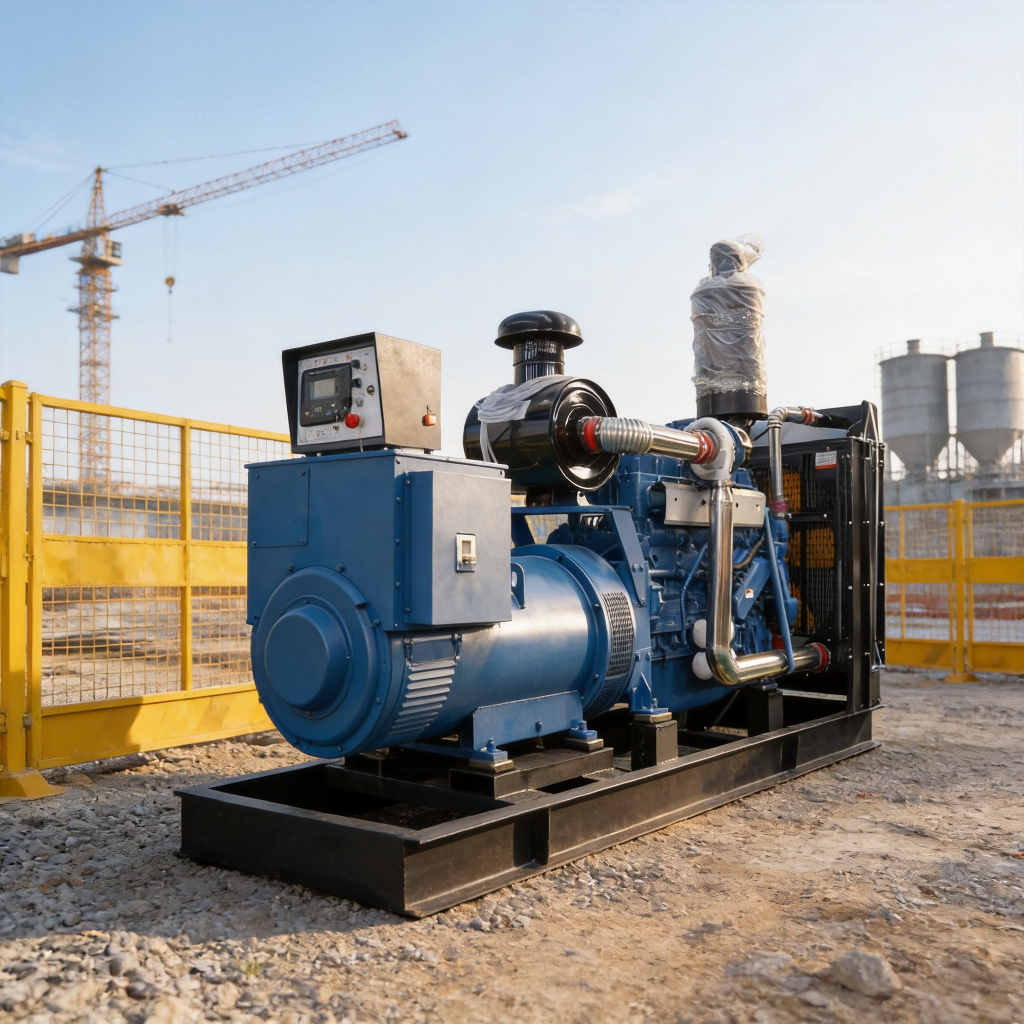 This article provides an in-depth look at our comprehensive quality control system for silent and open-frame diesel generators, from component inspection to complete unit assembly. Through 100% stepped real-unit load testing, transient response verification, noise spectrum analysis, and high-load thermal management monitoring, combined with intelligent control logic validation, we intercept potential hidden dangers within our workshop. This ensures that every delivered generator boasts superior performance and reliability, giving our customers complete confidence and peace of mind.
 -
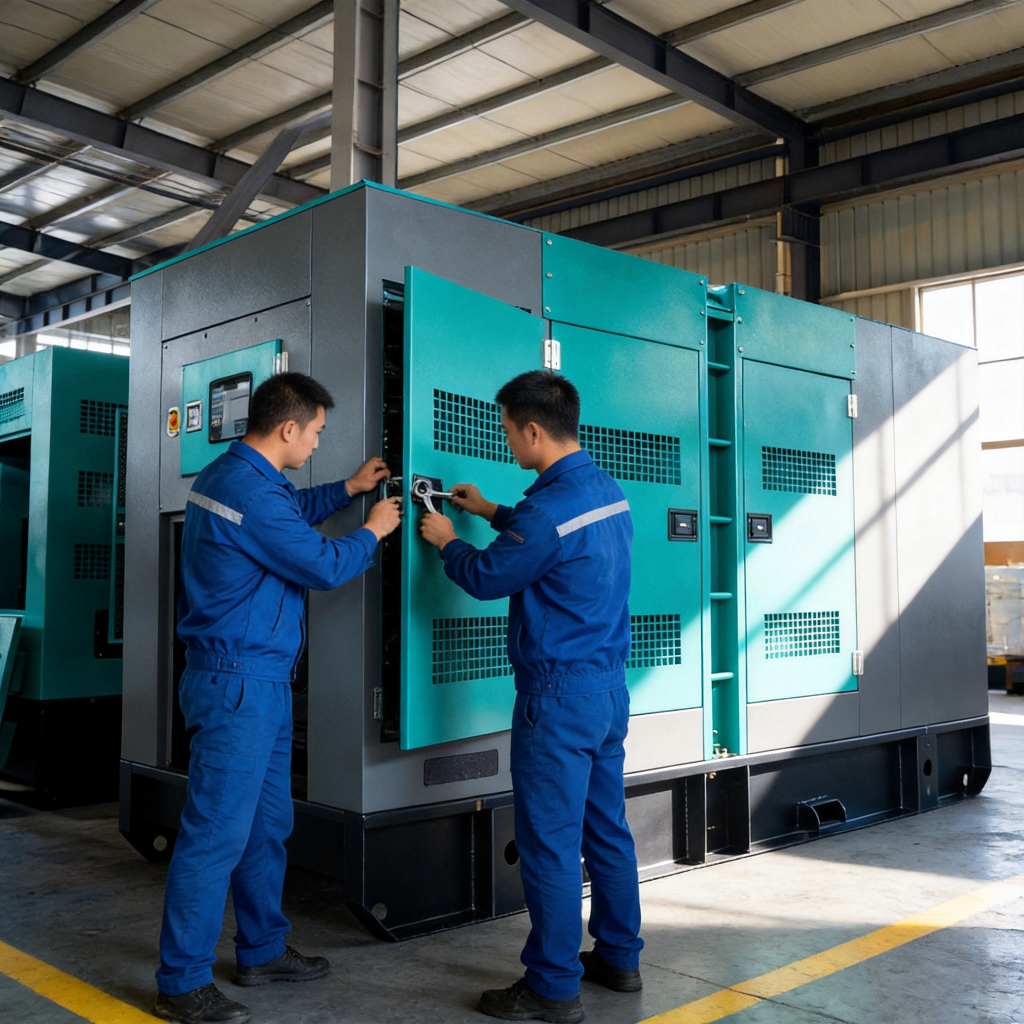 Learn the key factors to consider before purchasing a silent diesel generator, including power capacity, noise levels, fuel efficiency, maintenance requirements, environmental compliance, and installation conditions. This guide helps businesses and project owners select the right generator for reliable, cost-effective, and long-term power solutions while ensuring optimal performance in commercial, industrial, and critical backup power applications.
 -
 Silent diesel generators ensure uninterrupted power for elevators, lighting, HVAC, and IT systems in commercial buildings. Acoustic enclosures reduce noise, making them suitable for offices, malls, and urban spaces. Fuel-efficient engines and intelligent controls optimize energy use and lower operational costs. Flexible configurations support both small and large buildings, as standalone or parallel systems. They maintain emergency lighting, safety systems, and smart building operations during outages. Investing in high-performance silent diesel generators enhances reliability, safety, and business continuity.
